Essays on AI, medicine, and how it actually works.
Longer pieces, first published on LinkedIn, on clinical AI, healthcare policy, and practicing emergency medicine.
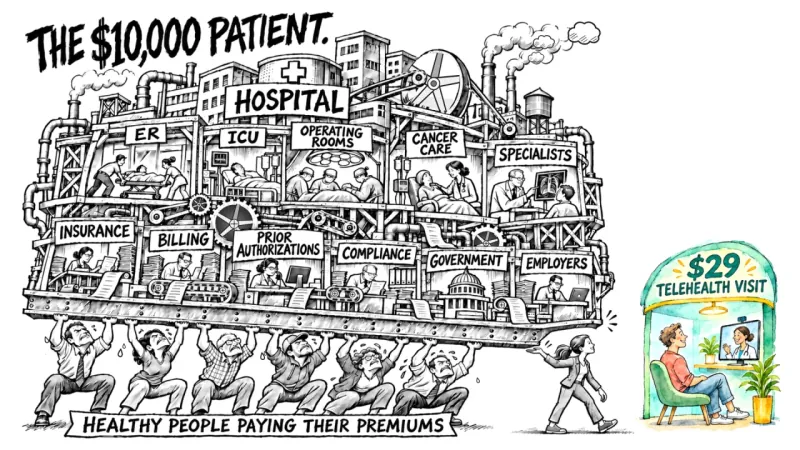
The $10,000 Patient
What 15 years at Kaiser Permanente taught me about the healthcare system we’re at risk of losing. He was 32, and I described him as “previously healthy” in my note, which is what we say when you’ve just had something really bad happen to you. I was pretty sure he’d had his first…
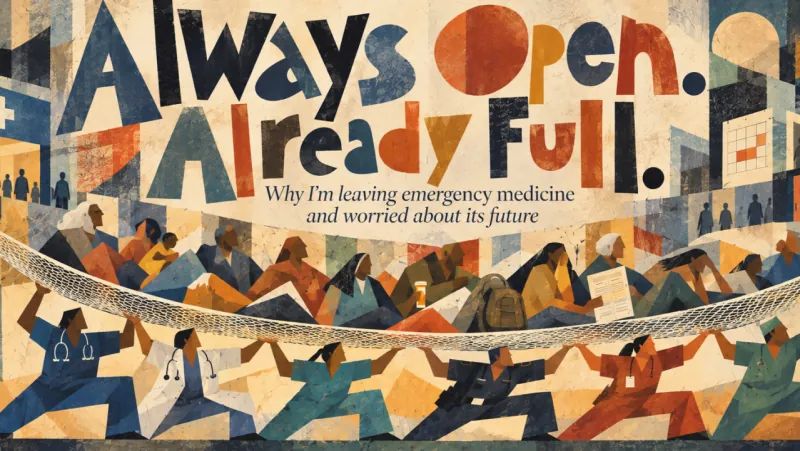
Always Open. Already Full.
Why I'm leaving emergency medicine and worried about its future “I was drunk last night and accidentally drank a bottle of Suave peach conditioner because I thought it was juice” is not a chapter in any medical textbook, but in emergency medicine, I’d better know what to do about…

What Do You Mean by Meaning?
Reflections on Why I Stopped Practicing Medicine, For Now I’ve done my talk therapy via laptop-propped-up-on-shoebox ever since COVID. It wasn’t long ago — February 2025, perhaps? — that my therapist casually asked me a seemingly simple, therapy-ish question: What gives your life…
Back to Where I Started... 21 Years Later
Soooo, ha, um, I have a secret I’ve been keeping from you: I’m joining MDCalc full-time as its Head of AI. I wish I could say that I rage-quit medicine or that I’ve got some incredibly juicy story to tell, but alas. There’s no reality show in my future. Nobody pushed me out.…
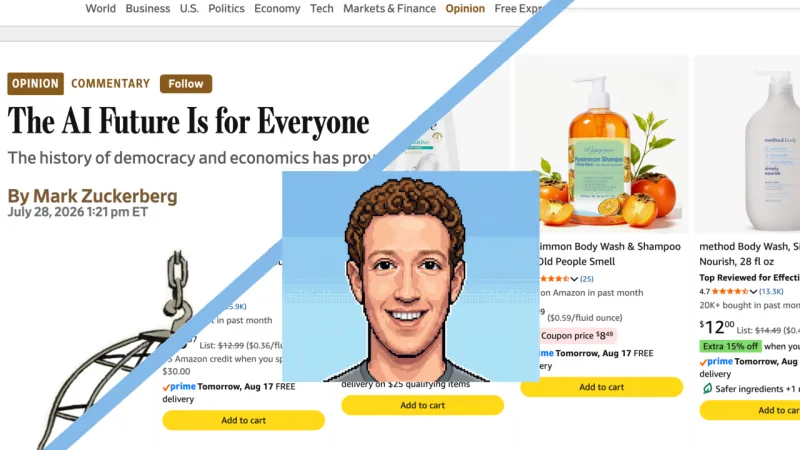
It's Clear Mark Zuckerberg Has Never Shopped at Amazon
Superintelligence may give everyone better answers. That doesn’t mean we’ll agree on what to do with them. A couple weeks ago, Mark Zuckerberg published an optimistic vision for our AI future in the Wall Street Journal. I agreed with more of it than I expected. In the piece, he…
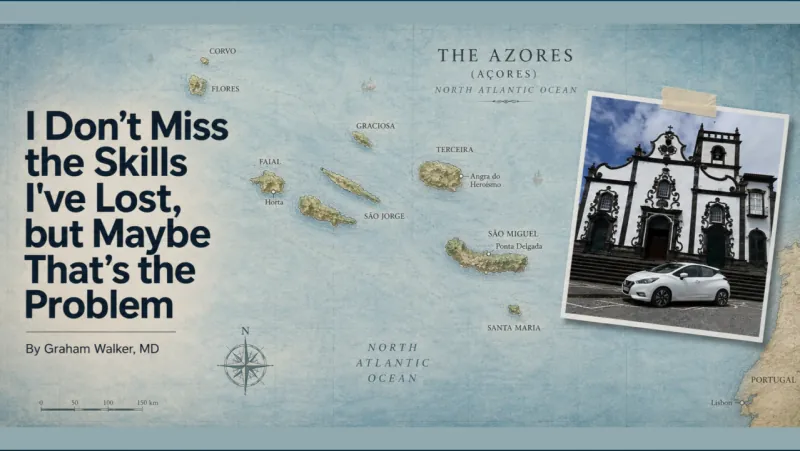
I Don’t Miss the Skills I’ve Lost, but Maybe That’s the Problem
With fond memory I still recall the ability to squeeze my Honda Fit into the tiniest of San Francisco parking spaces, becoming one with my car for a moment. I could use my mirrors and automotive proprioception to judge distances down to the centimeter. I’d thought that the skill…

The Bias Isn't the Problem. The Bias Is the Symptom.
If you ask me how I feel about large language models in medicine I'll give you a couple words: tense. Uneasy. "Mixed." Notdismissive — if you follow me, I'm practically Dr. GenAI Hype-Man, discussing their tremendous potential every day, and I often review research highlights…
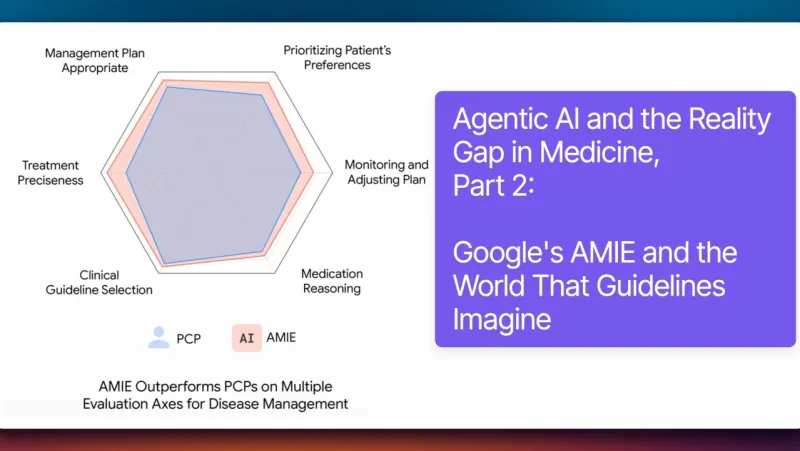
Agentic AI and the Reality Gap in Medicine, Part 2
Google's AMIE and the World That Guidelines Imagine There is quiet, unglamorous work in medicine that will never make it on The Pitt. It saves way more lives. It is the work of often primary care but specialists do it too: keeping patients from falling through the cracks.…
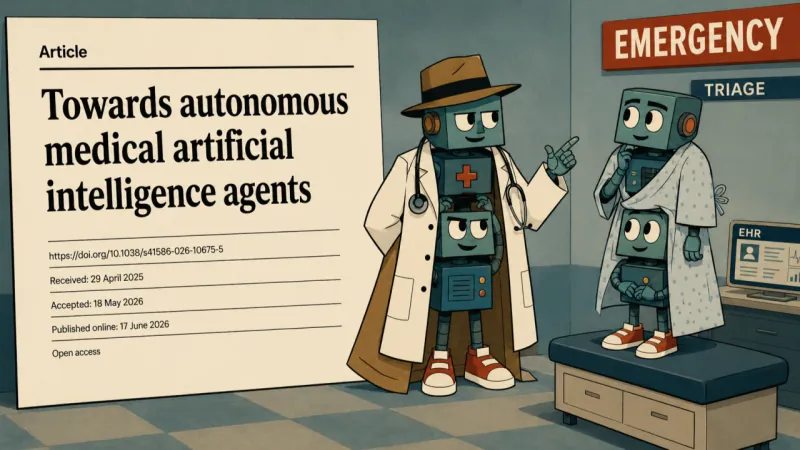
Agentic AI and the Reality Gap in Medicine, Part 1
MIRA and the Wrong Question My biggest problem with this clinical AI paper is that I wish they'd kept the humans out of it. This week brought another big agentic AI paper — MIRA (Medical Intelligence for Reasoning and Action), a German autonomous agent operating inside a…
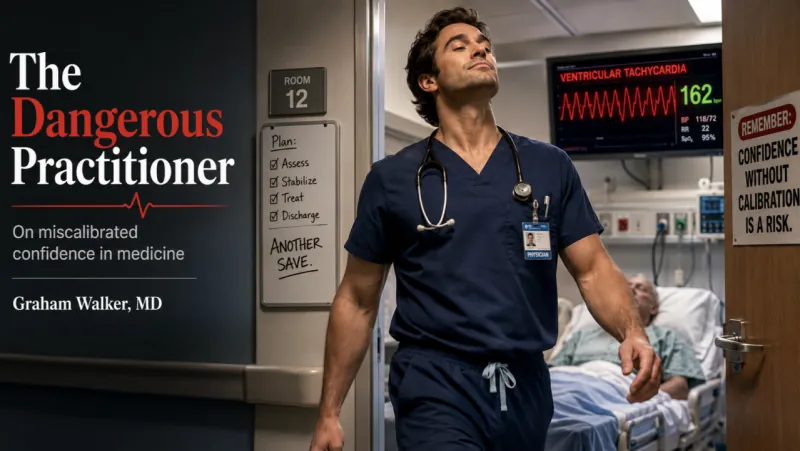
The Dangerous Practitioner: on miscalibrated confidence in medicine
It's generally unprofessional for attending physicians to talk about residents behind their back. But there is one reason we all will: when we consider that resident dangerous. Dangerous is a loaded term, so let me give you its precise meaning. A dangerous resident has a…

Medicine Has Always Made Sourdough. AI Wants to Make Wonder Bread.
As a baker and San Franciscan, I feel it necessary to teach you about sourdough if you want to know anything about medicine and AI, because medicine has been running a sourdough bakery continuously for the last 100 years. Sourdough — if you somehow never had that phase during the…
The ER has three prime directives. Diagnosis isn't one of them.
I say this with all the love in my heart: Your ER doctor probably doesn't care about your exact diagnosis — and this is one of the many ways that media is failing in its reporting of the new paper in Science this week. It's a good paper and extremely info-dense, but it's given me…
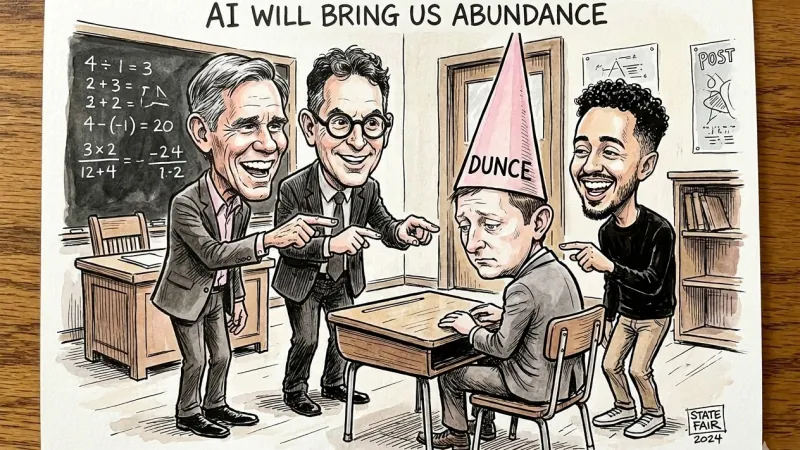
The Future of Medicine Is Not More Testing. It’s Better Judgment at Scale.
Eric Topol's Super Agers was not the first time I'd heard an argument for more testing in medicine. Versions of that idea are all over the internet, usually attached to someone trying to sell you a full-body MRI, a boutique blood panel, or a biologically impossible explanation…
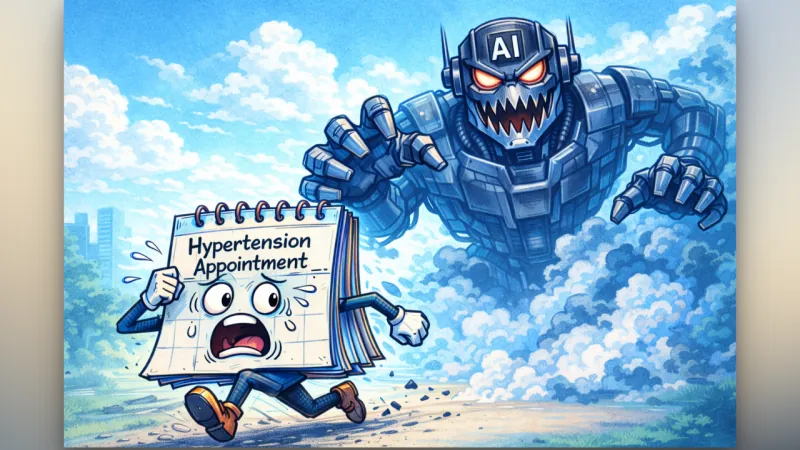
What's the Fee-For, If AI Does the -Service?
AI is coming for everything broken in healthcare. Not just the inefficiencies and the middlemen — although I’d love those to be first. It’s coming for perverse incentives, and outdated payment structures, and bureaucracy and paperwork and administrator meetings. *Hallelujah. * AI…

Healthcare AI Predictions for 2026 — The Year the Politeness Ends
For years now, healthcare AI has been graded on potential. Participation trophies for showing up. Gold stars for “promising early results.” In 2026, that era ends. Not because the technology suddenly matures into something magical — it won’t — but because AI finally collides with…
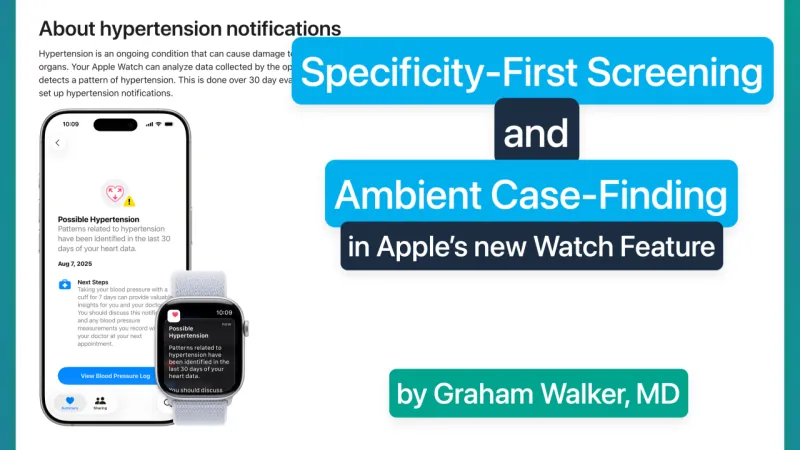
The Age of Specificity-First Screening
If all treatments were benign and side-effect free, I wouldn’t need to be telling you about sensitivity, specificity, and the Apple Watch’s new hypertension feature. If resources were infinite, we could just test everything, all the time, and never worry about false alarms. But…

Joseph Lister, Medical Progress, and the Arrogance of Hindsight
When you enter Edinburgh's Surgeons' Hall Museum, you're encouraged to climb the narrow steps of a small surgical anatomy theatre, and take a seat to look down upon a pale, wooden figure in the general shape of a human below you. An actor in old-timey surgical garb reminds you…

If AI Is a Crutch, Will Medicine Forget How to Walk? Part 2: Real-World Risks and the Confidence Spiral
Part 2: Real-World Risks and the Confidence Spiral In Part 1, we explored how generative AI reshapes the way we think and learn. We looked at studies showing how confidence in AI can reduce critical thinking, and how students (and perhaps clinicians-in-training) may learn less…
If AI Is a Crutch, Will Medicine Forget How to Walk? Part 1: Thinking Less, Learning Less
Part 1: Thinking Less, Learning Less Quick: what's 17 x 19? While I'd imagine most of you could work this out, you probably reached for your phone. It's less brain work, it's faster, and you're likely more confident in its answer than your own mental math under pressure. I’d also…
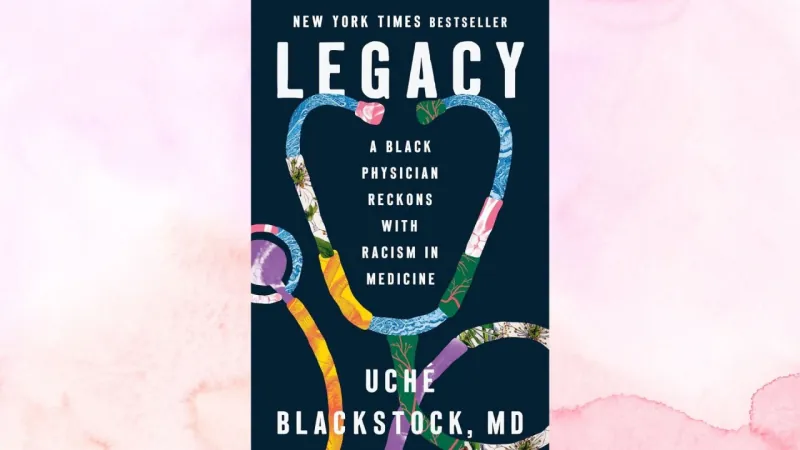
Dr. Uché Blackstock's Legacy: Medicine's Blind Spots Through a Clearer Lens
You know that sensation when a word is stuck on the tip of your tongue, or when you’re about to have déjà vu? It's the feeling of something being familiar and foreign at the time. That’s what I felt reading Uché Blackstock, MD's book Legacy. Her narrative reminded me in bits and…
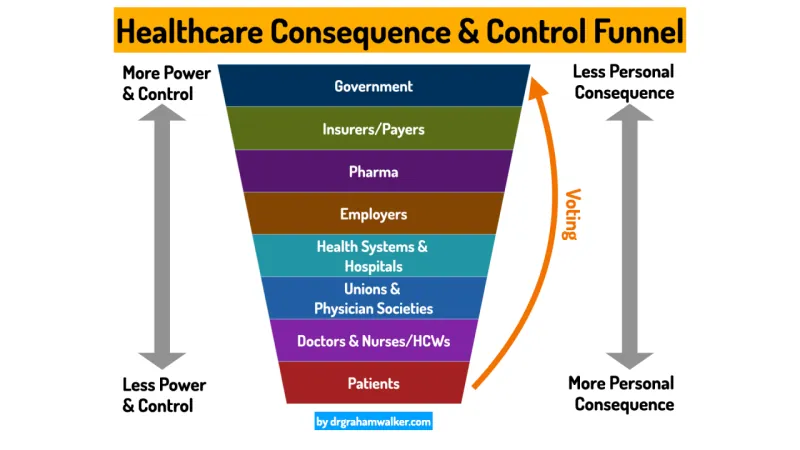
Patients at the Bottom, Power at the Top: The Healthcare Control Funnel
We all have a role in the healthcare system. Whether we’re shaping policies, providing care, creating drugs, or simply seeking treatment, we each contribute to how the system works — or fails to work. I'd originally called this The Healthcare Blame Game, but a better word is…

The Food Policy Paradox: Why Freedom Won't Fix the American Diet or Make America Healthy Again
If you zoom in enough, you can actually find some overlap in the RFK Jr. ↔️ Graham Walker Venn diagram. It’s just a tiny sliver, but it’s there. It reads: the American diet. We all want a healthier America: Healthier food choices, healthier food options, fewer fresh food deserts?…
Blind Spots Gets It Half Right: Why Medicine's Problems Run Deeper Than We Think
Medicine is an art for good reason: it's practiced by imperfect, subjective humans prone to bias and error (also known as doctors). Yet despite these human constraints, medicine strives to uncover biological truths that can reduce suffering and treat disease. In his latest book…

My Sunglasses Hallucinate JCPenney: My Meta AI Smart Glasses Review
🕶️ I absolutely love my Ray-Ban Meta Wayfarers (that’s a mouthful): the form factor, the sound, the image quality—but ironically, the worst part? The AI integration. Meta’s AI feels more like a gimmicky afterthought than a killer feature. At one point, it hilariously informed me…

Progress in Business vs Medicine: How Incremental Gains are Overloading Healthcare
The guy sitting next to me at the conference runs IT for a car insurance company. He leans over and says, “Yeah, this software makes our sales guys like 3% better, and that translates into hundreds of millions of dollars a year for us.” We hear about incremental gains in…
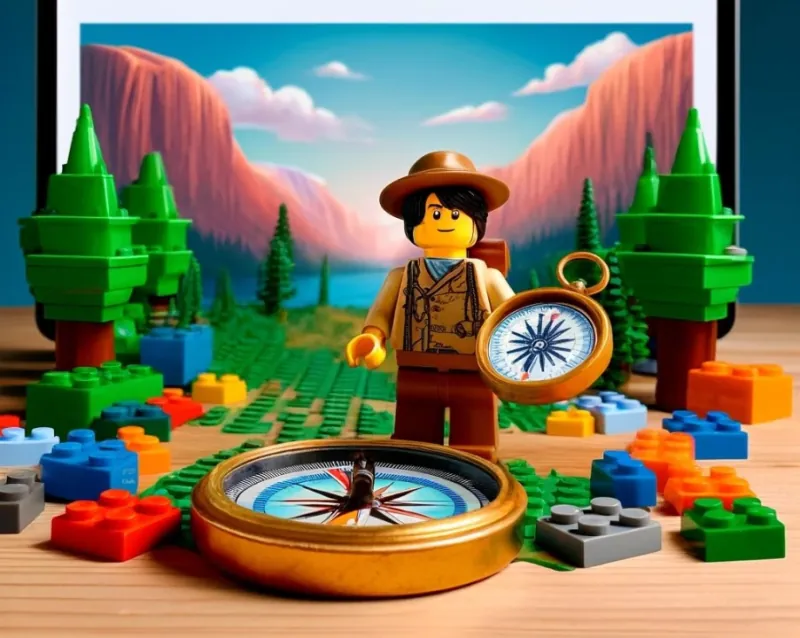
The Compass Is Broken: How Current MedLLM Benchmarks Worsen AI in Healthcare
They’re called models in AI because they’re trying to represent something else. Just like you might build a model train, the whole point is it’s representing the full-sized one. One of the things you do when you see a model train is compare it to the real thing: look at the fine…
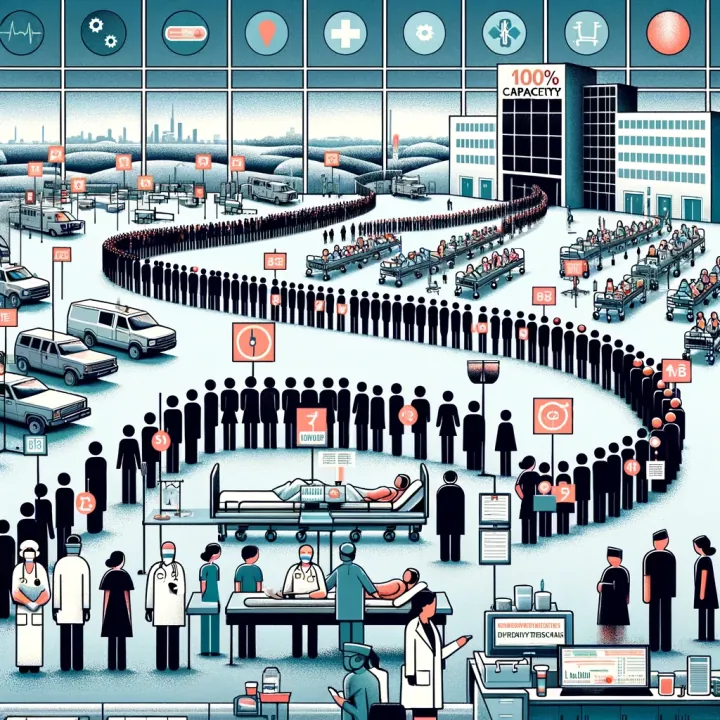
Healthcare: No Room at the Inn
✈️ You run an airline. The plane’s flying no matter what, so you want every seat occupied. ✅ 🏨 You run a hotel. The pool has to be cleaned and the lights have to stay on, so you want every room booked. ✅ 🏥 You run a hospital. You have to pay the nurses and doctors, so you want…
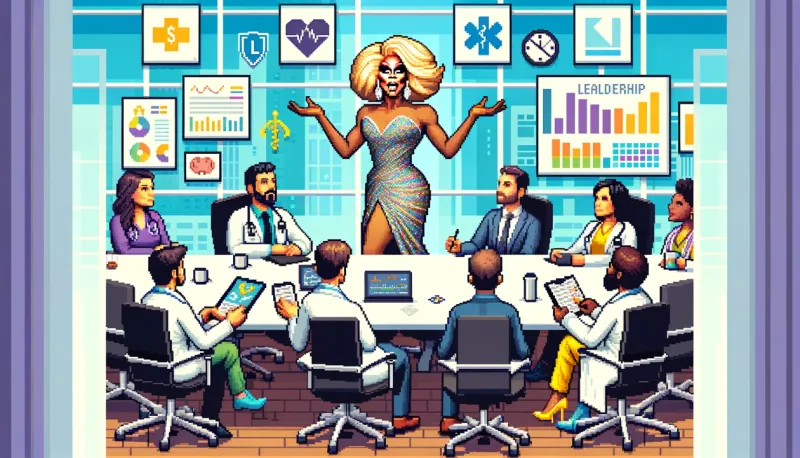
RuPaul Runs an Amazing Meeting
It’s a well-known fact that if you’re good at one thing, you’re good at everything. Adele is incredible at finding the best plane ticket deals. Meryl Streep does incredible marketing analyses. And Steve Kerr is well-known for his effortless 3-pointers. (Hi, sarcasm!) Even if…

Medical Alchemy and Rory Sutherland
Last month generated a lot of buzz surrounding VC firm General Catalyst buying a hospital, but I’d be way more excited if advertising firm Ogilvy acquired one instead. I recently finished advertising expert Rory Sutherland's book Alchemy: The Surprising Power of Ideas That Don't…

Part 3 of My Review: Attia’s Magnum Outlive Opus
As we conclude my review of "Outlive," we delve into two often-neglected wellness aspects: quality sleep and robust emotional health. (Part 1, Part 2.) Getting Some Zzz’s Peter Attia challenges the common perception of sleep as merely a "nice to have" or "necessary evil,"…
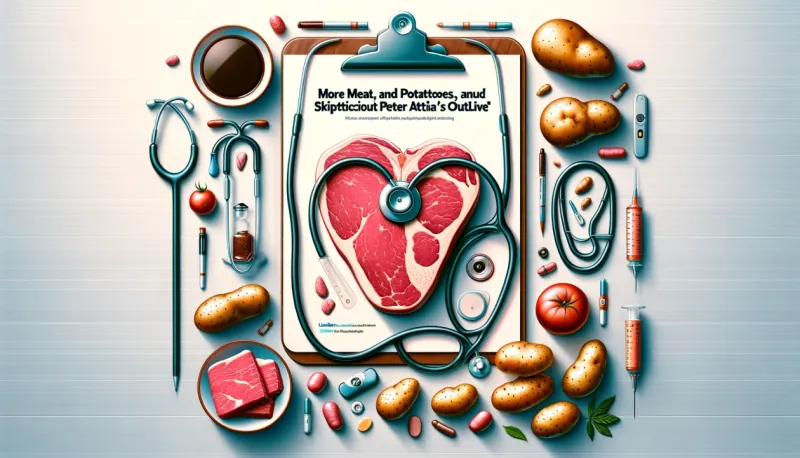
Part 2: More Meat, More Potatoes, and More Skepticism about Peter Attia's Outlive
You may have not asked for it, but I’m back anyway with Part 2 of my review of Dr. Peter Attia’s Outlive. (You can find Part 1, which is mostly an overview of Outlive's themes, here.) We’ll tackle more of the science that Dr. Attia discusses, where I think he’s spot-on, and where…

A Skeptic’s Review of Peter Attia’s “Outlive”
Going into this, I’d only heard of Dr. Peter Attia in passing. I had a loose association in my mind between him and keto diets and nutrition-in-quotes podcasts, and I’m generally extremely skeptical of any physician in this space. There’s so much snake oil and it’s so easy to…
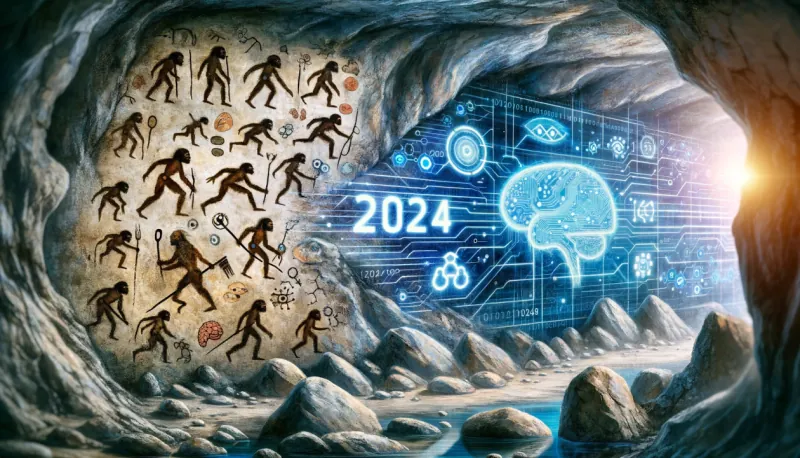
Graham Walker's 2024 Predictions for Healthcare and AI
Thursday we asked ChatGPT, Claude, Bard, and others what they thought we'll see in 2024. Today, I'll give my own predictions as an ER doctor, healthcare tech leader, and daily user of GenAI. 🏆But first, our LLM Awards for most accurate 2024 predictions: Claude — while it appears…
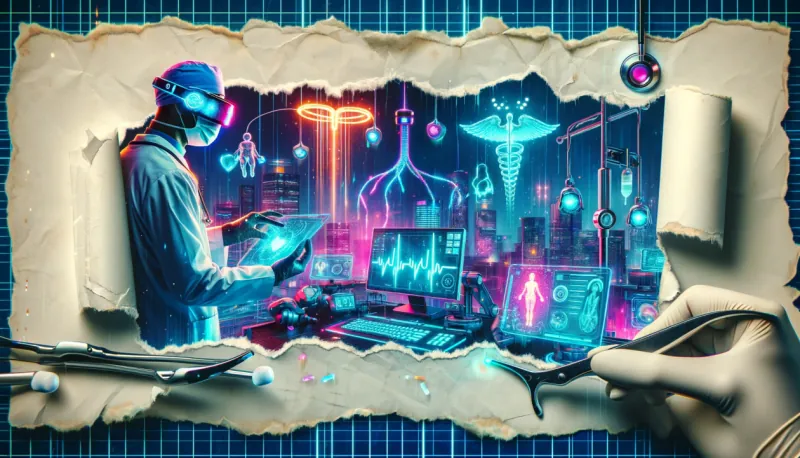
What Do 7 LLMs Think About AI in Healthcare in 2024?
On December 30, I'll publish my lowly human doctor predictions for AI in healthcare in 2024 (and name an AI winner), so I thought it might be fun to ask the LLMs what they think. I've included responses from the "best" LLMs: ChatGPT4, Claude 2.1, Google Bard, Gemini Pro, and my 3…
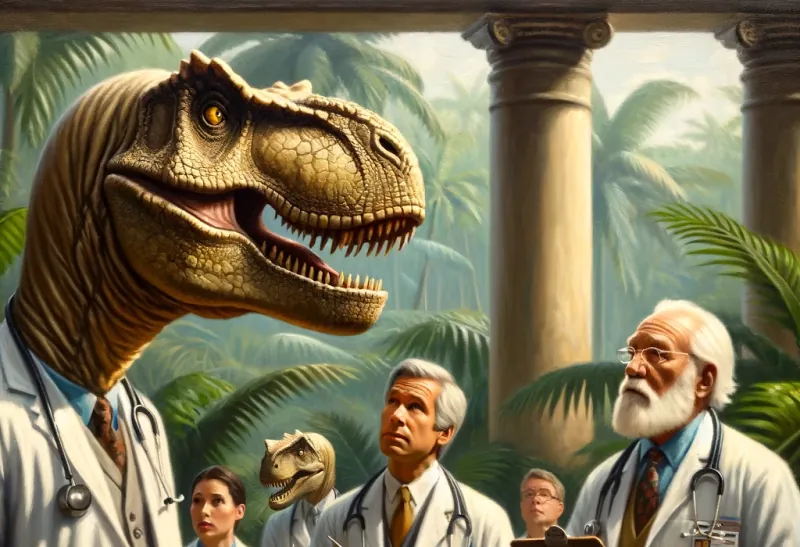
“We’re from the C-Suite, and We’re Here to Help”
Or: Aligning Leadership Decisions with Personal Impact Sure, the drug has numerous risks including death, requires followup and on-going monitoring, and is not a medicine that they’d ever prescribe, but why don’t we just have the ER doctor write the prescription since they’re…

Part 3: Even Today’s Doctors Want Out*
In hushed, quiet tones, in group chats and Facebook message boards, and in the few remaining physician lounges the conversations from the doctors are all the same: What are you doing to get out of clinical medicine? My LinkedIn series (Part 1, Part 2) has squarely focused on the…

Part 2: Excitement and Promise for Gen Z in Healthcare
Well it’s always darkest before the dawn, so let’s pivot from my doomsday Part 1 to the exciting prospects of the next generation of healthcare professionals. Entrepreneurship and Other Careers These students aren't just clinicians; they're innovators and tech-savvy…

Hope and Hesitation for the Next Generation of Healthcare
Instead of starting out like I usually do with a patient story highlighting my optimism and fear for the future of medical care, I’m just going to have smart, driven medical student Jonathan Wakim tell you his story: Entering medical school, I was driven by a profound desire to…

Why Amazon’s Trying Primary Care for $9 a Month
You’ve probably heard that 20% of patients generate 80% of the costs in healthcare. Amazon’s just targeting the inverse of that: the 80% of people that only require 20% of the cost. Here’s why I suspect they’re now offering $9/mo “primary care” — and ultimately why it’s a…

How Easier AI Access Could Decimate the Healthcare System
No, the sky is not falling — but it’s worth considering an enormous problem surrounding access to medical care, AI, accurate diagnosis, and why AI may need to be not just equivalent to physicians — but orders of magnitude better. I was recently reading Eric Topol, MD's newsletter…

Galileo Was Right About AI
Human eyes alone are insufficient to reveal fundamental truths about the operations of nature. —Neil deGrasse Tyson, Starry Messenger I was taken aback by this quote when I read it this week; it so-perfectly applies to what we're seeing in AI in medicine recently. The trouble is…

Should We Automate Away the Physician Note? (Carbon Health vs NYUTron)
"Listen: it's the sound of medicine being practiced," I often joke to my 4 ER colleagues to break the 7 minutes of silence. As if on cue, they roll their eyes. We're sitting together solemnly in our cramped little doctors' workroom — silent, save for the mechanical drone of mouse…
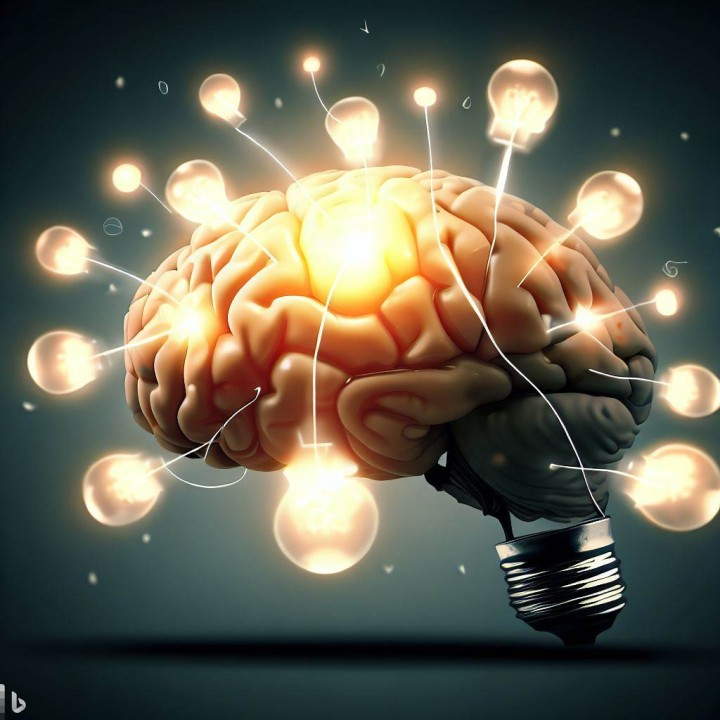
ChatGPT, Idea Overload, and Strategy in Healthcare
On Thursday, I saw a preview of Microsoft Copilot — a tool that will bring ChatGPT-like options to your Word and Excel documents and your email and meetings. The power to generate content and ideas will be at our fingertips, resulting in an avalanche of information. It made me…

Can ChatGPT Replace an ER Doctor?
I keep going back to something Sam Altman said at his Senate hearing: GPT-4 is "good at doing tasks, not jobs." It's a concise and important distinction that many people gloss over when they first experience ChatGPT: you instantly recognize all of your job's tasks that it can…

I, For One, Welcome our New Medical Large Language Model Overlords
Recently Google published a study touting that its new medical large language model (LLM) was heading towards "expert-level" medical question answering. It was able to answer most of a standardized medical test correctly (the USMLE). And after reading the paper I think I'd…