Well it’s always darkest before the dawn, so let’s pivot from my doomsday Part 1 to the exciting prospects of the next generation of healthcare professionals.
Entrepreneurship and Other Careers
These students aren't just clinicians; they're innovators and tech-savvy entrepreneurs. We’re starting to see med students with startup experience, creating digital health tools and wearables. Their unique perspectives on technology and care outcomes are redefining healthcare workflows, with an emphasis on solutions that are both economically and environmentally sustainable. (Great examples include MD+, Penn HealthX, Texas A&M School of Engineering Medicine (EnMed), Carle Illinois College of Medicine, and CodeRx.)
Back in 2003, I distinctly remember how shocked I was that I had classmates who’d had other careers before medical school (notably, Sarah Gebauer, MD was a Bain consultant). But now that’s often the norm. According to the AAMC, almost half of medical students took 1-2 gap years, and more than half of those had had an entirely different career first. This creates several differences; today’s medical students are older and are more likely to have families. This means they’re consequently less tolerant of long, arduous shifts and have higher expectations of support from their school, like in the workplace (we're also seeing more residencies unionize).
More Programming Doctors
Relatedly, I’m seeing far more computer and data science expertise in this generation. When I was in college? There was no data science; there was no training in web development or apps or smartphones. Viewing things through a CS lens will fundamentally change the way these new physicians see the healthcare world. These digital natives will want access to the EHR backend and APIs to build the tools they want to interact with. (Prediction: health systems will actually struggle to figure out how to integrate these new software engineering physicians who have lots of computer know-how but may lack the clinical or cultural knowledge on how to affect change. Health systems will have no idea what to do with the doctor who says, “Can you just give me access to this webpage that’s broken? I’ll fix it myself.”)
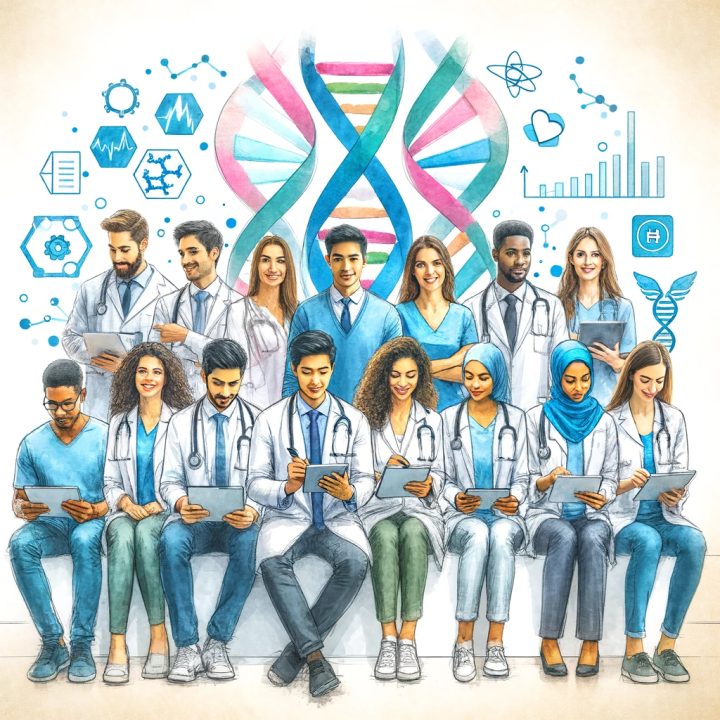
Change, Equity, and Diversity
This cohort’s demand for substantive change will also reshape the healthcare landscape. Rather than accepting flaws like physician burnout, systemic inefficiencies, and outdated technology, they’re motivated to loudly call out issues and pave the way for progress. While this will absolutely generate some friction, it will also accelerate innovation. (And don’t you need a little activation energy to make change much of the time?)
I am constantly impressed with today’s graduates’ focus on health equity and awareness of biases. Growing up in the ‘80s, I was just the closeted gay kid in Kansas who knew to stay quiet. But not this generation. Given the overdue societal focus on racial and social justice, these students are often fierce advocates who demand that their work and their jobs align with their values. This will lay the foundation for more patient-centered, equitable care.
Perhaps this generation will also embrace teamwork and interdisciplinary work more thoroughly as well, where the buck won’t just stop with the doctor, as Spencer Dorn says. These students are used to collaborating, adapting, and working together on projects, whether it’s a shared Google Doc or a group chat.
We Must Make Healthcare Work Enjoyable Again
And finally, let’s be realistic about the “60% don’t want patient care roles” statistic. Not everyone can avoid clinical practice; financial realities and limited alternative roles will lead many back to patient care. No one wants a doctor or a nurse who’s just seeing them to pay off their student loans. Thus, health systems must improve the workplace, leveraging these new talents for mutual success. Flexible staffing models, equitable scheduling, and automation investments can reduce burnout, benefiting both new and current healthcare professionals.
Looking back, I often wonder what hopes and fears the medical establishment of the early 2000s had about my generation (elder millennial, so we’re clear). Were we just as disruptive and different to my attendings as Gen Z is now to me?
Embracing this wave of tech-savvy, change-motivated talent could lead to transformative improvements in healthcare, and if there’s one thing we can agree on, healthcare needs improvement and change. But this requires open-mindedness, breaking down hierarchical barriers, and a shared vision for a better healthcare system.
—Graham Walker and Jonathan Wakim